google.com, pub-2692277732162106, DIRECT, f08c47fec0942fa0

Connect with us

Uncategorized

Unleashing the Power of AI Productivity Tools: Your Ultimate Guide to Smarter Workflows

Published

on

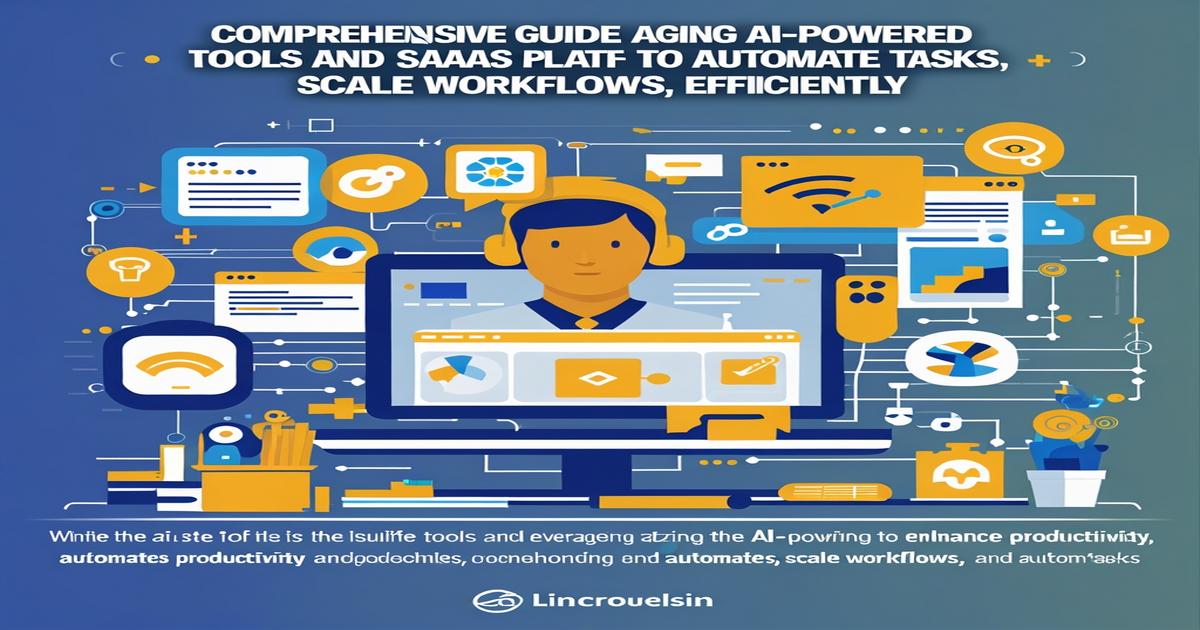
AI-generated image to illustrate the content of Future Stacked.

Unleashing the Power of AI Productivity Tools: Your Ultimate Guide to Smarter Workflows

In today’s fast-paced digital world, staying ahead requires not just hard work, but working smart. Enter the realm of AI-powered productivity tools and SaaS platforms that promise to revolutionize how we handle tasks, manage projects, and achieve our goals.

Understanding AI Productivity Tools

AI productivity tools leverage artificial intelligence to automate repetitive tasks, offer predictive insights, and streamline workflow processes. These tools are designed to minimize human effort on mundane tasks while maximizing efficiency and output.

Top AI Tools to Consider

  • Task Management: Tools like Trello and Asana integrate AI to provide smart scheduling and priority suggestions.
  • Email Assistants: Applications such as SaneBox and Boomerang use AI to sort and prioritize emails, improving your inbox management.
  • Contract Management: Lexion and Concord employ natural language processing to automate contract analysis and management.

Implementing SaaS Solutions for Business Growth

SaaS platforms offer scalable solutions designed to cater to diverse business needs, from startups to large enterprises. These platforms deliver powerful performance metrics, cloud storage, and collaborative features essential for business growth.

Benefits of Using SaaS in Your Workflow

✅ Cost-effective subscription models

✅ Regular updates and maintenance handled by providers

✅ Flexibility and accessibility from any location

Automation Strategies to Boost Efficiency

The integration of automation within AI-powered platforms plays a pivotal role in enhancing productivity:

  • Process Automation: Automate routine business processes such as billing, customer support, and data entry.
  • Sales Automation: Use AI-driven CRM tools to automate lead tracking and follow-ups.
  • Marketing Automation: Platforms like HubSpot and Marketo offer AI capabilities to optimize marketing campaigns.

Comparing Platforms: A Consideration Checklist

📝 Budget-friendly pricing tiers with trial options

🔧 Customizability and integration capabilities

🔒 Security measures and compliance standards

Conclusion

The adoption of AI productivity tools and SaaS platforms is not just a trend but a necessity for businesses and professionals aiming to thrive in today’s competitive landscape. These technologies empower users to save time, boost efficiency, and unlock new levels of productivity.

FAQ

What are some popular AI tools for productivity?

Tools such as Trello, Asana, and Lexion are popular for integrating AI to enhance productivity.

How does SaaS benefit small businesses?

SaaS solutions cater to scalability, offer cost-effective pricing models, and provide constant updates and maintenance, making them ideal for small businesses.

Continue Reading
Click to comment

Leave a Reply

Your email address will not be published. Required fields are marked *

Uncategorized

Master the Art of Wealth Stacking: Transforming Your Financial Future Today

Published

on

By

In the quest for financial independence, the art of wealth stacking stands as a crucial pillar. The journey involves not just saving and investing, but strategically aligning your financial actions with your long-term goals. In this comprehensive guide, we’ll navigate through five transformative steps to enhance your wealth-stacking strategy, helping you secure a financially independent future that glimmers with possibility.

Understanding the Importance of Strategic Asset Allocation

Asset allocation is more than a buzzword in financial planning—it’s a fundamental strategy that determines how your funds are divided across different investment categories. Balancing risk and reward, a well-designed portfolio will enable optimal growth over time.

  • Analyze your risk tolerance and investment timeline.
  • Diversify across sectors such as stocks, bonds, and real estate.
  • Adjust allocations over time as your financial goals evolve.

Maximizing Retirement Accounts: IRAs, 401(k)s, and More

Retirement accounts offer tax benefits and are crucial for accumulating wealth efficiently. Whether it’s a traditional IRA, Roth IRA, or 401(k), knowing how to leverage these accounts effectively can greatly enhance your financial outcome.

  • Contribute maximum allowable amounts annually.
  • Take advantage of employer-matching contributions.
  • Understand Roth conversions to optimize tax scenarios.

Investing in High-Growth Assets 💰

While traditional stocks and bonds are staples, high-growth assets like tech stocks or cryptocurrencies can accelerate your wealth-building trajectory. Yet, they come with higher risk, requiring informed decision-making.

  • Research market trends and innovations.
  • Incorporate a portion of high-growth assets for diversifying risk.
  • Consider the long-term potential versus volatility.

Advanced Budgeting Techniques 🧱

Budgeting is the backbone of financial discipline, but it doesn’t have to be mundane. Advanced budgeting techniques integrate technology and behavioral economics, making saving and investing effortless.

  • Use apps to track spending and automate investments.
  • Implement the 50/30/20 rule to control finances.
  • Regularly review and adjust your budget to meet financial goals.

Accelerating Your Financial Independence Timeline

To achieve financial autonomy, you need a strategic vision combined with daily habits that reinforce your progress. Here’s how to advance your independence journey:

  • Set clear financial goals with defined timeframes.
  • Engage in continuous learning to adapt to market changes.
  • Build multiple income streams to bolster security.

FAQ Section ⏳

What is the best asset allocation strategy for someone in their 30s?

A diversified mix of equities for growth potential, bonds for stability, and a small percentage in emerging markets or innovative sectors is often recommended by financial advisors. Tailor your strategy based on your specific risk tolerance and retirement timeline.

How can I balance investing in high-risk, high-reward assets?

Maintain a balance by allocating a small percentage of your portfolio to high-risk investments while keeping the majority in stable, proven assets. Regular portfolio reviews will help adjust as per market conditions.

In conclusion, mastering your wealth-stacking strategy demands patience, informed decisions, and a proactive approach to financial education. This empowering journey, when aligned with your long-term vision, provides the building blocks for a future stacked with endless opportunities and financial freedom.

Continue Reading

Uncategorized

Unlocking the Secrets of Long-term Asset Stacking: A Blueprint for Building Wealth and Achieving Financial Independence

Published

on

By

Unlocking the Secrets of Long-term Asset Stacking: A Blueprint for Building Wealth and Achieving Financial Independence

In a world where financial stability is the cornerstone of personal freedom, understanding how to effectively stack assets has never been more crucial. Whether you’re just starting or seeking advanced methods to fortify your financial future, this comprehensive guide will illuminate the path to wealth accumulation and financial independence.

Maximizing Retirement Accounts for Future Security

Retirement accounts, such as IRAs and 401(k)s, are powerful tools for building wealth over time. By maximizing contributions and leveraging employer matching programs, you can significantly enhance your financial security. Consider diversifying within these accounts to manage risk effectively.

Understanding the Impact of Early Contributions

Early contributions allow you to benefit from compound growth. The earlier you start, the more time your money has to grow exponentially. 🧱💰 Calculate the impact of starting early and make it a priority in your financial strategy.

Focusing on High-growth Investments

Identify high-growth asset classes that align with your risk tolerance and financial goals. Whether it’s stocks, ETFs, or real estate, understanding the landscape is key.

Asset Allocation and Diversification

  • Diversify your portfolio to mitigate risks.
  • Consider alternative investments for growth opportunities.
  • Review your portfolio periodically to adjust to changing markets. ⏳

Strategic Budgeting Techniques to Enhance Savings

Implementing a solid budget is essential for maximizing your savings rate. Here’s how to create a budget that’s both realistic and effective:

Setting Clear Financial Goals

Define what financial independence looks like for you and set milestones to track your progress. 💸

Accelerating Your Financial Independence Timeline

Combine these strategies to move faster toward financial independence, regardless of your current standing.

The FIRE (Financial Independence, Retire Early) Movement

Adopt FIRE principles by reducing expenses and increasing income streams to expedite your journey. 🏃‍♀️🔥

FAQ

Q: What is asset stacking?

A: Asset stacking involves strategically accumulating and managing assets to build long-term wealth.

Q: How does diversification help in wealth building?

A: Diversification spreads risk, reducing the impact of any single asset’s performance on your overall portfolio.

Q: What are alternative investments?

A: Alternative investments include non-traditional assets like real estate, commodities, and private equity, offering diverse growth potential.

In conclusion, embracing these strategies with a proactive and informed approach will help you take control of your financial destiny, ensuring a future stacked with assets and abundant opportunities.

Continue Reading

Uncategorized

Unlocking the Secrets to Building Wealth: A Strategic Guide to Long-Term Financial Stacking

Published

on

By

Unlocking the Secrets to Building Wealth: A Strategic Guide to Long-Term Financial Stacking

In today’s dynamic financial landscape, understanding how to strategically stack your assets is crucial for achieving significant long-term wealth. This guide explores practical strategies to enhance your financial independence through optimized investment, effective budgeting, and sound retirement planning.

Maximizing Your Retirement Accounts

Retirement accounts like IRAs and 401(k)s are foundational to any strong financial strategy. Contributing to these accounts not only provides tax advantages but also enables compound growth over time 📈. Consider contributing the maximum allowable amount annually to fully leverage these benefits.

  • Understand contribution limits and catch-up contributions for those over 50 🧓.
  • Explore employer matching options — they are essentially free money!
  • Re-evaluate risk levels as retirement approaches to protect your savings.

Focusing on High-Growth Assets

While retirement accounts form a core component of your strategy, high-growth assets can significantly expedite wealth accumulation. Consider diversifying your portfolio to include:

  • Stocks with high expected returns 🚀
  • Real estate for rental income and appreciation 🏠
  • Innovation in sectors such as technology or renewable energy 💡

Strategic Planning for Early Retirement

For many, the goal is not just financial independence but the option to retire early. Here’s how you can plan strategically:

  • Calculate your FIRE (Financial Independence, Retire Early) number to identify your savings goal.
  • Create a disciplined savings plan to increase your savings rate over time 💰.
  • Consider side hustles or part-time work to boost income and expedite savings.

Implementing Advanced Budgeting Techniques

Advanced budgeting is about more than just cutting expenses. It’s about optimizing your spending and saving strategies to align with your long-term goals.

  • Track expenses meticulously with technology tools for accurate insights.
  • Prioritize spending on investments with the highest return potential.
  • Regularly review and adjust your budget to stay aligned with your goals.

FAQs on Wealth Accumulation Strategies

  • Q: How often should I review my financial plan?
    A: It’s advisable to review your plan annually or after any major life change.
  • Q: Is it better to pay off debt or invest?
    A: Balance is key. Focus on high-interest debt first, and allocate remaining resources to investments.
  • Q: What growth rate should I expect from my investments?
    A: This varies, but historically stocks have returned about 7% annually after inflation.

Remember, achieving financial independence is a journey, not a sprint. By implementing strategic, calculated approaches to stacking assets, you empower yourself to build an abundant future with confidence, purpose, and peace of mind.

Continue Reading

Trending Now

Copyright © 2017 Zox News Theme. Theme by MVP Themes, powered by WordPress.